
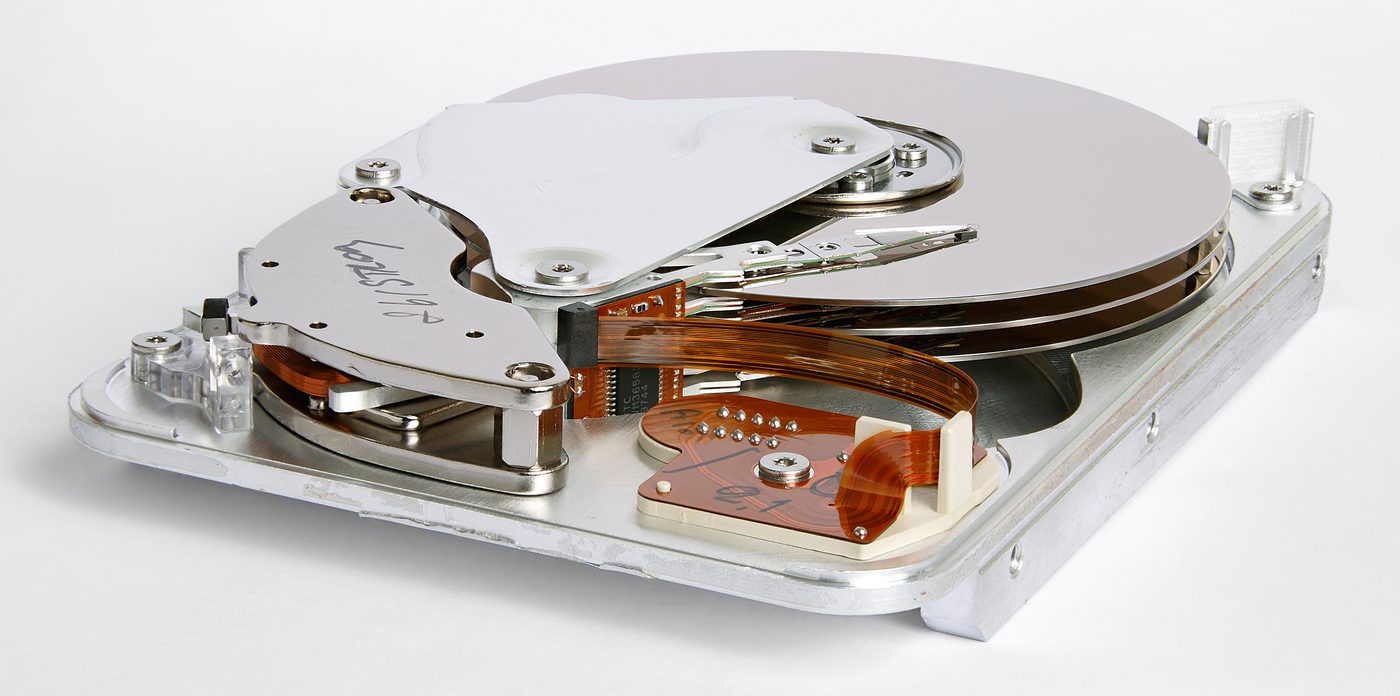
Many businesses believe they have backups because files are copied somewhere or an external drive is connected to a computer. That is not enough. A reliable backup plan must answer four questions: what is backed up, how often it is backed up, where it is stored and how quickly it can be restored. Without testing, the business may discover problems only after a hard disk failure, accidental deletion, ransomware attack or system crash.
Use the 3-2-1 idea
The 3-2-1 rule is a practical starting point: keep three copies of important data, on two different types of storage, with one copy away from the main system. For a small business, this may include server storage, NAS backup and cloud or off-site backup. The exact design depends on data size, internet speed, privacy requirements and recovery urgency.
What to check regularly
- Are accounts, billing data, documents and databases included?
- Are backups protected from accidental deletion and ransomware?
- Is at least one backup away from the main computer or server?
- Has a test restore been performed recently?
- Who receives backup failure alerts?
- How long can the business operate without the data?
Backups should be documented. Staff should know who is responsible, where credentials are stored safely, what systems are critical and what must be restored first. Blue Orbit Technologies helps customers design backup routines using NAS, servers, cloud options and endpoint backup depending on the site. The goal is simple: when something fails, recovery should be controlled, not chaotic.
